Polio, also known as poliomyelitis, is a highly infectious disease that can cause paralysis, disability, and even death. Despite significant progress in global vaccination efforts, polio remains a persistent threat to public health, particularly in certain regions of the world. In 2025, the challenges in polio vaccination efforts continue to hinder the goal of achieving a polio-free world. This article will discuss the current challenges, the progress made so far, and the future directions in the fight against polio.
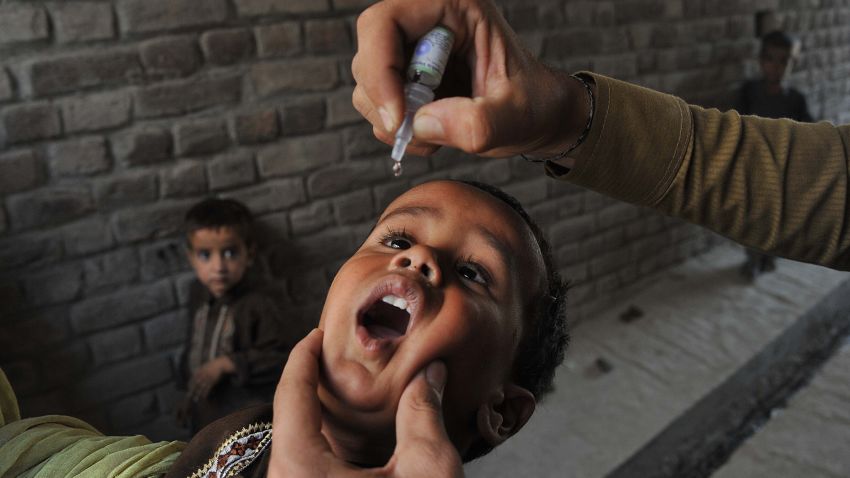
History of Polio Vaccination
The first polio vaccine was developed in the 1950s by Dr. Jonas Salk, and it has been instrumental in reducing the number of polio cases worldwide. The oral poliovirus vaccine (OPV) was introduced in the 1960s, which has been widely used in many countries. The World Health Organization (WHO) launched the Global Polio Eradication Initiative (GPEI) in 1988, with the goal of eradicating polio worldwide. Since then, significant progress has been made, with the number of polio cases decreasing by over 99% globally.
Current Challenges in Polio Vaccination
Despite the progress made, several challenges continue to hinder polio vaccination efforts. Some of the key challenges include:
- Conflict and Insecurity: Conflict and insecurity in certain regions, such as Afghanistan and Syria, have disrupted vaccination efforts and made it difficult to reach children with the vaccine. In these areas, healthcare workers often face significant risks, including violence and kidnapping.
- Vaccine Hesitancy: Vaccine hesitancy, which refers to the reluctance or refusal to vaccinate, is a significant challenge in some communities. This can be due to misinformation, lack of awareness, or cultural and socio-economic factors.
- Access and Equity: In some regions, particularly in rural and hard-to-reach areas, access to vaccination services is limited. This can be due to a lack of healthcare infrastructure, inadequate transportation, or other logistical challenges.
- Funding Shortages: The GPEI faces significant funding shortages, which can impact the ability to implement vaccination campaigns and maintain surveillance activities.
- Vaccine-Derived Poliovirus (VDPV): VDPV is a type of poliovirus that can emerge from the OPV. This can lead to outbreaks of polio in areas where the virus is not naturally circulating.
Regional Challenges
The challenges in polio vaccination efforts vary by region. Some of the most affected regions include:
- Africa: Africa remains one of the most affected continents, with several countries, including Nigeria, Democratic Republic of Congo, and Somalia, still experiencing outbreaks of polio.
- South Asia: South Asia, particularly Pakistan and Afghanistan, continue to struggle with polio outbreaks, largely due to conflict and insecurity.
- Middle East: The Middle East, particularly Syria and Yemen, face significant challenges in polio vaccination efforts due to ongoing conflict and displacement.
Innovations and Strategies
To overcome the challenges in polio vaccination efforts, several innovations and strategies are being implemented, including:
- New Vaccine Technologies: New vaccine technologies, such as the novel oral poliovirus vaccine (nOPV), are being developed to address the issue of VDPV.
- Digital Surveillance: Digital surveillance systems are being implemented to improve disease detection and response.
- Community-Based Initiatives: Community-based initiatives, such as engaging with local leaders and community members, are being used to build trust and increase vaccine acceptance.
- Partnerships and Collaborations: Partnerships and collaborations between governments, international organizations, and civil society are being strengthened to support polio vaccination efforts.
FAQ
- What is polio, and how is it transmitted?: Polio is a highly infectious disease that can be transmitted through the fecal-oral route, primarily through contaminated water and food.
- What are the symptoms of polio?: The symptoms of polio can range from mild to severe and include fever, headache, stiffness, and paralysis.
- How is polio prevented?: Polio can be prevented through vaccination, good hygiene practices, and improved sanitation.
- What is the current status of polio vaccination efforts?: Despite significant progress, polio remains a persistent threat to public health, particularly in certain regions of the world.
- What can I do to help?: You can help by supporting organizations that work on polio vaccination efforts, raising awareness about the importance of vaccination, and advocating for increased funding for global health initiatives.
Conclusion
The challenges in polio vaccination efforts in 2025 are significant, but they are not insurmountable. With continued innovation, collaboration, and commitment, it is possible to achieve a polio-free world. It is essential to address the root causes of the challenges, including conflict, vaccine hesitancy, and access and equity issues. By working together, we can ensure that every child has access to life-saving vaccines and that polio is eradicated once and for all. As we move forward, it is crucial to stay vigilant, adapt to new challenges, and continue to push for a world where every child can grow up free from the threat of polio.
The fight against polio is not just a public health issue, but a humanitarian imperative. Every child deserves the right to live a healthy and fulfilling life, free from the burden of polio. By supporting polio vaccination efforts, we are not only saving lives, but also building a brighter future for generations to come. The journey to a polio-free world will not be easy, but with perseverance, determination, and collective action, we can achieve this goal and create a world where every child can thrive.
Closure
Thus, we hope this article has provided valuable insights into The Ongoing Battle Against Polio: Challenges in Vaccination Efforts in 2025. We hope you find this article informative and beneficial. See you in our next article!
