Introduction
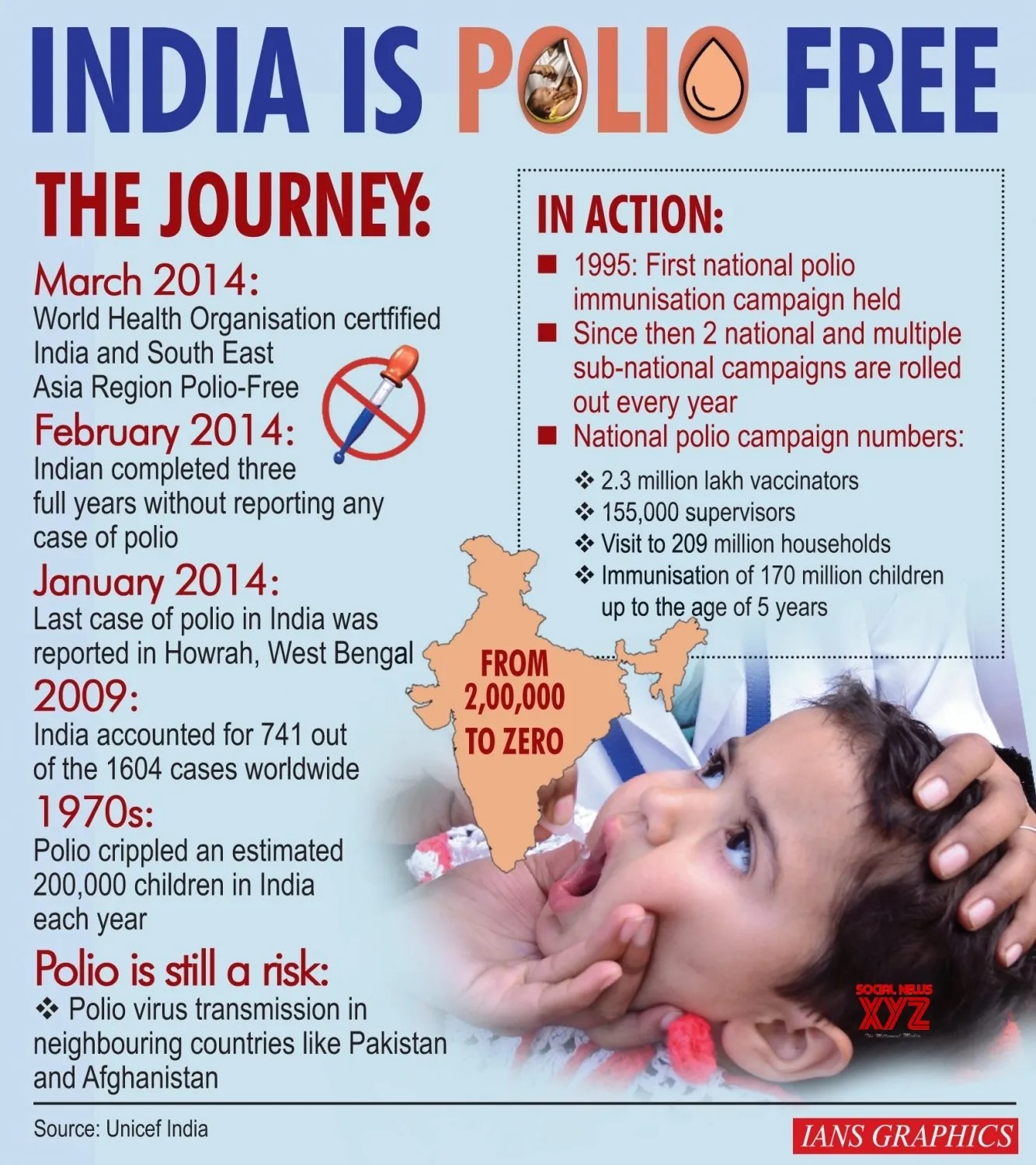
Polio, also known as poliomyelitis, is a highly infectious disease caused by the poliovirus. It can lead to severe paralysis, disability, and even death. The World Health Organization (WHO) and its partners have been working tirelessly to eradicate polio worldwide, with significant progress made in recent years. In Mali, a country in West Africa, polio vaccination campaigns have been ongoing since the 1990s, with a renewed focus on achieving eradication by 2025. This article will provide an overview of the polio vaccination campaigns in Mali 2025, the challenges faced, and the strategies employed to overcome them.
Background
Mali, with a population of over 20 million people, is one of the 16 countries in Africa still experiencing polio outbreaks. The country has been grappling with the disease for decades, with periods of high transmission followed by periods of low transmission. The Mali government, with support from WHO, UNICEF, and other partners, has been implementing polio vaccination campaigns to protect children under the age of five from the disease.
Polio Vaccination Campaigns in Mali 2025
The polio vaccination campaigns in Mali 2025 are part of a broader strategy to eradicate polio in the country. The campaigns aim to vaccinate all children under the age of five against polio, regardless of their previous vaccination status. The vaccines used are the oral poliovirus vaccine (OPV) and the inactivated poliovirus vaccine (IPV).
The campaigns involve a range of activities, including:
- House-to-house vaccination: Health workers and volunteers visit every household in targeted areas to administer the vaccine to eligible children.
- Fixed vaccination posts: Vaccination posts are set up in public places, such as markets and bus stations, to reach children who may not be at home during house-to-house visits.
- Mobile vaccination teams: Teams of health workers and volunteers travel to remote and hard-to-reach areas to vaccinate children who may not have access to fixed vaccination posts.
- Community mobilization: Local leaders, community health workers, and influencers are engaged to raise awareness about the importance of polio vaccination and to encourage parents to have their children vaccinated.
Challenges
Despite the progress made in recent years, there are still several challenges that hinder the success of polio vaccination campaigns in Mali 2025. Some of these challenges include:
- Insecurity: Mali has been experiencing insecurity and instability, particularly in the northern regions, which hinders the ability of health workers to access these areas to conduct vaccination campaigns.
- Lack of awareness: Some parents and caregivers may not be aware of the importance of polio vaccination, or may have misconceptions about the vaccine, leading to low uptake.
- Limited resources: Mali faces significant resource constraints, including a shortage of health workers, inadequate transportation, and limited funding for vaccination campaigns.
- Cultural and social barriers: In some areas, cultural and social norms may discourage parents from having their children vaccinated, or may lead to misinformation about the vaccine.
Strategies to Overcome Challenges
To overcome these challenges, the Mali government and its partners are employing several strategies, including:
- Strengthening community engagement: Engaging local leaders, community health workers, and influencers to raise awareness about the importance of polio vaccination and to encourage parents to have their children vaccinated.
- Improving security: Collaborating with security agencies to ensure the safety of health workers and vaccination teams, particularly in insecure areas.
- Enhancing resource mobilization: Mobilizing additional resources, including funding, personnel, and equipment, to support vaccination campaigns.
- Addressing cultural and social barriers: Working with local leaders and communities to address cultural and social barriers to vaccination, and to develop targeted communication strategies to promote the vaccine.
Frequently Asked Questions (FAQs)
- What is polio, and how is it transmitted?
Polio, or poliomyelitis, is a highly infectious disease caused by the poliovirus. It can be transmitted through the fecal-oral route, where the virus is shed in the stool of an infected person and ingested by another person through contaminated food, water, or hands. - What are the symptoms of polio?
The symptoms of polio can range from mild to severe and include fever, headache, stiffness, and paralysis. - How can polio be prevented?
Polio can be prevented through vaccination. The oral poliovirus vaccine (OPV) and the inactivated poliovirus vaccine (IPV) are the two vaccines used to protect against polio. - Is the polio vaccine safe?
Yes, the polio vaccine is safe and effective. The vaccine has been extensively tested and has undergone rigorous safety monitoring. - Can adults get polio?
Yes, adults can get polio, although it is more common in children under the age of five.
Conclusion
The polio vaccination campaigns in Mali 2025 are a critical step towards eradicating polio in the country. Despite the challenges faced, the Mali government and its partners are committed to ensuring that every child under the age of five is protected against this debilitating disease. Through strengthened community engagement, improved security, enhanced resource mobilization, and addressing cultural and social barriers, it is possible to overcome the challenges and achieve the goal of polio eradication in Mali. As the global community works towards a polio-free world, it is essential that we continue to support efforts to eradicate polio in countries like Mali, where the disease still poses a significant public health risk.
By working together, we can ensure that every child, no matter where they live, has access to the vaccines they need to grow and thrive, and that the world is finally free from the threat of polio. The success of the polio vaccination campaigns in Mali 2025 will not only benefit the children of Mali but also contribute to the global effort to eradicate polio, bringing us one step closer to a world where no child suffers from this preventable disease.
Closure
Thus, we hope this article has provided valuable insights into Poliomyelitis (Polio) Vaccination Campaigns in Mali 2025: A Comprehensive Approach to Eradication. We hope you find this article informative and beneficial. See you in our next article!
