Pakistan has been struggling to eradicate polio for decades, despite being one of the few countries where the disease still persists. The country has made significant progress in recent years, but the goal of complete eradication remains elusive. In 2025, the Pakistani government, in collaboration with international partners, has launched a renewed effort to vaccinate every child under the age of five against polio. This article will delve into the details of the polio vaccination campaigns in Pakistan in 2025, highlighting the challenges, successes, and future prospects.
Introduction to Polio
Polio, also known as poliomyelitis, is a highly infectious disease caused by the poliovirus. It can lead to paralysis, deformity, and even death. The disease is spread through the fecal-oral route, where the virus enters the body through contaminated food, water, or hands. Pakistan’s polio endemic is primarily attributed to the lack of access to healthcare, poor sanitation, and inadequate vaccination coverage.
History of Polio Vaccination in Pakistan
Pakistan’s polio vaccination efforts began in the 1990s, with the launch of the Expanded Programme on Immunization (EPI). The program aimed to vaccinate all children under the age of five against polio, as well as other vaccine-preventable diseases. However, the program faced numerous challenges, including resistance from some communities, inadequate funding, and a lack of infrastructure. In the early 2000s, the Pakistani government, with the support of international partners, launched a series of immunization campaigns to vaccinate every child under the age of five against polio. These campaigns have been ongoing, with varying degrees of success.
Polio Vaccination Campaigns in Pakistan 2025
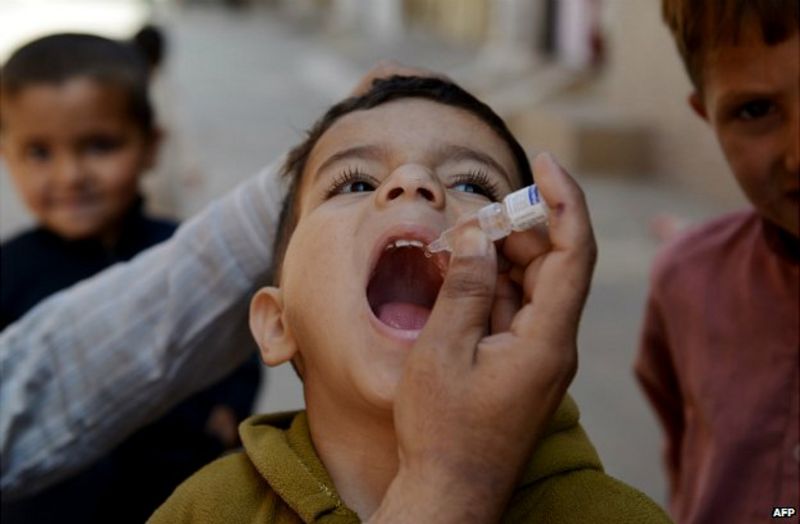
In 2025, the Pakistani government, in collaboration with the World Health Organization (WHO), the United Nations Children’s Fund (UNICEF), and other international partners, has launched a renewed effort to vaccinate every child under the age of five against polio. The campaign aims to reach over 40 million children across the country, with a particular focus on high-risk areas, such as the tribal regions along the Afghanistan border.
The campaign is being implemented through a combination of fixed and outreach vaccination sites, as well as door-to-door vaccination by trained health workers. The vaccine being used is the bivalent oral poliovirus vaccine (bOPV), which provides protection against the two remaining serotypes of the virus, P1 and P3.
Challenges Facing the Polio Vaccination Campaigns
Despite the progress made, the polio vaccination campaigns in Pakistan 2025 face numerous challenges. Some of the key challenges include:
- Security concerns: The tribal regions along the Afghanistan border, where polio is most prevalent, are also areas of high insecurity. Health workers have been targeted by militant groups, making it difficult to access these areas.
- Community resistance: Some communities have expressed concerns about the safety and efficacy of the vaccine, leading to resistance to the vaccination campaigns.
- Poor sanitation and hygiene: The lack of access to clean water and sanitation facilities in some areas contributes to the spread of the virus.
- Inadequate funding: The polio vaccination campaigns require significant funding, which can be challenging to secure, particularly in a country with competing health priorities.
Successes of the Polio Vaccination Campaigns
Despite the challenges, the polio vaccination campaigns in Pakistan 2025 have achieved significant successes. Some of the key successes include:
- Decline in polio cases: The number of polio cases in Pakistan has declined significantly in recent years, from 306 cases in 2014 to just 12 cases in 2024.
- Improved vaccination coverage: The vaccination campaigns have resulted in improved vaccination coverage, particularly in high-risk areas.
- Increased community engagement: The campaigns have led to increased community engagement, with many communities now actively participating in the vaccination efforts.
Future Prospects
The polio vaccination campaigns in Pakistan 2025 are a crucial step towards a polio-free future. While challenges remain, the progress made so far is encouraging. The Pakistani government, in collaboration with international partners, must continue to support the vaccination efforts, addressing the challenges and building on the successes. Some of the key strategies for the future include:
- Enhanced community engagement: Efforts must be made to engage with communities, addressing concerns and building trust in the vaccination campaigns.
- Improved sanitation and hygiene: Investments must be made to improve access to clean water and sanitation facilities, reducing the spread of the virus.
- Strengthening health systems: The health system in Pakistan must be strengthened, with a particular focus on the tribal regions, to ensure that every child has access to vaccination and other health services.
Frequently Asked Questions (FAQ)
- What is polio, and how is it spread?
Polio, also known as poliomyelitis, is a highly infectious disease caused by the poliovirus. It can lead to paralysis, deformity, and even death. The disease is spread through the fecal-oral route, where the virus enters the body through contaminated food, water, or hands. - What is the bivalent oral poliovirus vaccine (bOPV), and how does it work?
The bivalent oral poliovirus vaccine (bOPV) is a vaccine that provides protection against the two remaining serotypes of the virus, P1 and P3. The vaccine works by introducing a weakened form of the virus to the body, which triggers an immune response and provides protection against the disease. - Why is it important to vaccinate every child under the age of five against polio?
Vaccinating every child under the age of five against polio is crucial to preventing the spread of the disease. Children under the age of five are at the highest risk of contracting polio, and vaccinating them can prevent the disease from spreading to other children and communities. - How can I get involved in the polio vaccination campaigns in Pakistan?
There are several ways to get involved in the polio vaccination campaigns in Pakistan, including volunteering with organizations such as the WHO, UNICEF, or local health departments. You can also support the campaigns by donating to reputable organizations or spreading awareness about the importance of vaccination.
Conclusion
The polio vaccination campaigns in Pakistan 2025 are a crucial step towards a polio-free future. While challenges remain, the progress made so far is encouraging. The Pakistani government, in collaboration with international partners, must continue to support the vaccination efforts, addressing the challenges and building on the successes. With continued effort and commitment, it is possible to eradicate polio from Pakistan and ensure that every child has a healthy and polio-free future.
Closure
Thus, we hope this article has provided valuable insights into Polio Vaccination Campaigns in Pakistan 2025: A Step Towards a Polio-Free Future. We thank you for taking the time to read this article. See you in our next article!
