Causes of Health Misinformation
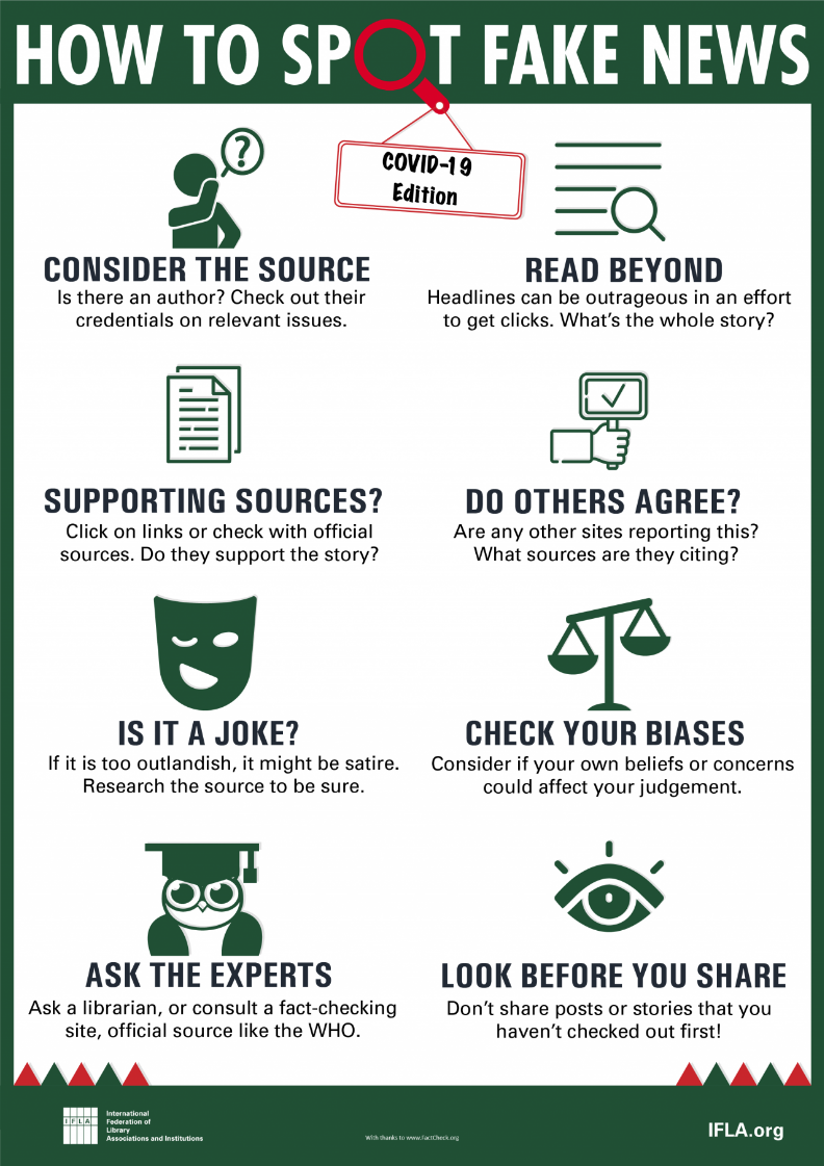
There are several causes of health misinformation, including:
- Social Media: Social media platforms have become a breeding ground for health misinformation. False or misleading information about health can spread quickly through social media, often through sensationalized headlines or misleading images.
- Lack of Health Literacy: Many people lack basic health literacy, making them vulnerable to misinformation about health. Health literacy refers to the ability to access, understand, and use health information to make informed decisions about one’s health.
- Misleading Marketing: Some companies and individuals use misleading marketing tactics to promote health products or services. These tactics can include false or exaggerated claims about the benefits of a product or service.
- Conspiracy Theories: Conspiracy theories about health and healthcare can also contribute to the spread of misinformation. These theories often involve false or misleading claims about the causes of diseases or the effectiveness of treatments.
Consequences of Health Misinformation
The consequences of health misinformation can be severe, including:
- Delayed or Inappropriate Treatment: Health misinformation can lead to delayed or inappropriate treatment, which can worsen health outcomes and even lead to death.
- Increased Healthcare Costs: Health misinformation can also lead to increased healthcare costs, as people may seek unnecessary tests or treatments based on false or misleading information.
- Reduced Trust in Healthcare Providers: Health misinformation can erode trust in healthcare providers, making it more difficult for people to seek care when they need it.
- Public Health Crises: Health misinformation can also contribute to public health crises, such as outbreaks of vaccine-preventable diseases.
Strategies for Health Misinformation Mitigation
There are several strategies that can be used to mitigate health misinformation, including:
- Health Literacy Education: Educating people about health literacy can help them to critically evaluate health information and make informed decisions about their health.
- Fact-Checking: Fact-checking health information can help to identify and correct false or misleading claims.
- Social Media Monitoring: Monitoring social media for health misinformation can help to identify and address false or misleading information quickly.
- Collaboration with Influencers: Collaborating with social media influencers can help to promote accurate health information and counter misinformation.
- Transparency and Accountability: Promoting transparency and accountability in healthcare can help to build trust in healthcare providers and reduce the spread of misinformation.
Role of Healthcare Providers
Healthcare providers play a critical role in health misinformation mitigation. They can:
- Provide Accurate Information: Healthcare providers can provide accurate and unbiased information about health and healthcare.
- Address Patient Concerns: Healthcare providers can address patient concerns and questions about health misinformation.
- Report Misinformation: Healthcare providers can report health misinformation to relevant authorities, such as regulatory agencies or social media platforms.
- Stay Up-to-Date: Healthcare providers can stay up-to-date with the latest research and evidence-based guidelines to provide accurate information to patients.
Role of Technology
Technology can also play a critical role in health misinformation mitigation. For example:
- AI-Powered Fact-Checking: AI-powered fact-checking tools can help to identify and correct false or misleading health information.
- Social Media Monitoring Tools: Social media monitoring tools can help to track and address health misinformation on social media.
- Health Information Portals: Health information portals can provide accurate and unbiased information about health and healthcare.
- Telehealth Platforms: Telehealth platforms can provide patients with access to healthcare providers and accurate health information remotely.
FAQs
- What is health misinformation?: Health misinformation refers to false or misleading information about health and healthcare.
- How can I identify health misinformation?: You can identify health misinformation by looking for red flags such as sensationalized headlines, misleading images, or unsubstantiated claims.
- What are the consequences of health misinformation?: The consequences of health misinformation can include delayed or inappropriate treatment, increased healthcare costs, reduced trust in healthcare providers, and public health crises.
- How can I mitigate health misinformation?: You can mitigate health misinformation by promoting health literacy, fact-checking health information, and reporting misinformation to relevant authorities.
- What role can healthcare providers play in health misinformation mitigation?: Healthcare providers can provide accurate information, address patient concerns, report misinformation, and stay up-to-date with the latest research and evidence-based guidelines.
Conclusion
Health misinformation mitigation is a critical issue in the digital age. The spread of false or misleading information about health can have severe consequences, including delayed or inappropriate treatment, increased healthcare costs, and public health crises. By promoting health literacy, fact-checking health information, and reporting misinformation, we can mitigate the spread of health misinformation. Healthcare providers, technology, and individuals all have a critical role to play in health misinformation mitigation. By working together, we can promote accurate and unbiased health information and protect public health. It is essential to stay vigilant and proactive in addressing health misinformation to ensure that people have access to accurate and reliable health information.
Closure
Thus, we hope this article has provided valuable insights into Health misinformation mitigation. We hope you find this article informative and beneficial. See you in our next article!
