Introduction
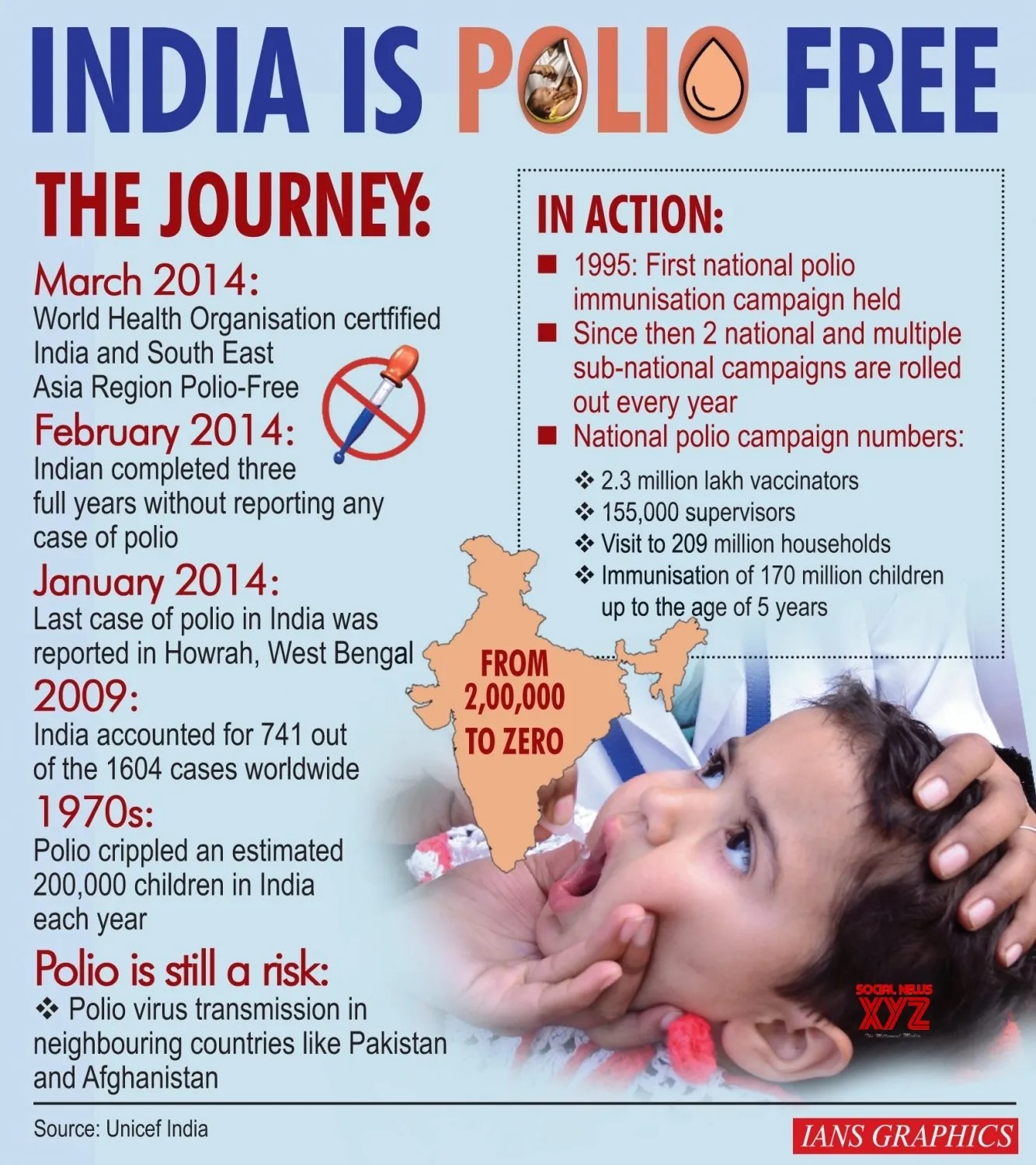
Polio, also known as poliomyelitis, is a highly infectious disease that can cause paralysis, disability, and even death. The disease is caused by the poliovirus and is primarily spread through the fecal-oral route. Thanks to global vaccination efforts, polio cases have decreased by over 99% since 1988, with only a few countries still reporting cases of the disease. Myanmar, a country in Southeast Asia, has been working tirelessly to eradicate polio and has made significant progress in recent years. In this article, we will review the polio vaccination campaigns in Myanmar in 2025, highlighting the efforts made by the government, international organizations, and healthcare workers to immunize children and prevent the spread of the disease.
Background
Myanmar has been facing challenges in eradicating polio due to various factors, including limited access to healthcare services, poor sanitation, and lack of awareness about the disease. In 2020, the country reported 12 cases of polio, with most cases occurring in the northwestern region of Rakhine State. The outbreak highlighted the need for intensified vaccination efforts to prevent the spread of the disease.
Vaccination Campaigns
In response to the outbreak, the Myanmar government, with the support of international organizations such as the World Health Organization (WHO), UNICEF, and the Centers for Disease Control and Prevention (CDC), launched a series of vaccination campaigns aimed at immunizing all children under the age of five against polio. The campaigns, which began in 2022, have been conducted on a biannual basis, with each campaign targeting over 4 million children across the country.
The vaccination campaigns have been implemented in two phases. The first phase involves door-to-door vaccination, where healthcare workers visit households to administer the polio vaccine to children. The second phase involves fixed-site vaccination, where children are immunized at designated health centers and clinics. The campaigns also include social mobilization activities, such as awareness-raising events, distribution of educational materials, and engagement with community leaders to promote the importance of vaccination.
Challenges and Progress
Despite the progress made, the vaccination campaigns in Myanmar face several challenges. One of the major challenges is access to remote and conflict-affected areas, where many children are still unvaccinated. The country’s infrastructure, particularly in rural areas, is limited, making it difficult for healthcare workers to reach children in these areas. Additionally, the ongoing conflict in some parts of the country has disrupted vaccination efforts, leaving many children vulnerable to the disease.
However, the vaccination campaigns have made significant progress in recent years. According to data from the WHO, the vaccination coverage in Myanmar has increased from 80% in 2020 to over 95% in 2025. The number of polio cases has also decreased, with only two cases reported in 2025.
Role of International Organizations
International organizations have played a crucial role in supporting the vaccination campaigns in Myanmar. The WHO has provided technical assistance, including training for healthcare workers and provision of vaccines. UNICEF has supported social mobilization activities, including awareness-raising events and distribution of educational materials. The CDC has provided epidemiological support, including surveillance and outbreak response.
Role of Healthcare Workers
Healthcare workers have been instrumental in the success of the vaccination campaigns in Myanmar. They have worked tirelessly to vaccinate children, often in challenging and remote areas. Many healthcare workers have also been involved in social mobilization activities, including awareness-raising events and engagement with community leaders.
FAQs
- What is polio, and how is it spread?
Polio, also known as poliomyelitis, is a highly infectious disease that can cause paralysis, disability, and even death. The disease is caused by the poliovirus and is primarily spread through the fecal-oral route. - Why is vaccination important in preventing polio?
Vaccination is the most effective way to prevent polio. The polio vaccine has been shown to be highly effective in preventing the disease, and widespread vaccination has been instrumental in reducing the number of polio cases globally. - How many children have been vaccinated against polio in Myanmar in 2025?
Over 4 million children have been vaccinated against polio in Myanmar in 2025, with a vaccination coverage of over 95%. - What are the challenges facing vaccination campaigns in Myanmar?
The vaccination campaigns in Myanmar face several challenges, including access to remote and conflict-affected areas, limited infrastructure, and ongoing conflict in some parts of the country. - What is the role of international organizations in supporting vaccination campaigns in Myanmar?
International organizations, including the WHO, UNICEF, and CDC, have provided technical assistance, supported social mobilization activities, and provided epidemiological support to the vaccination campaigns in Myanmar.
Conclusion
The polio vaccination campaigns in Myanmar in 2025 have been instrumental in reducing the number of polio cases in the country. Despite the challenges faced, the campaigns have made significant progress, with over 4 million children vaccinated against polio and a vaccination coverage of over 95%. The role of international organizations, healthcare workers, and community leaders has been crucial in supporting the vaccination efforts. However, more work needs to be done to ensure that all children in Myanmar are immunized against polio and that the disease is eradicated. The government, international organizations, and healthcare workers must continue to work together to address the challenges facing vaccination campaigns and to ensure that every child in Myanmar is protected against this devastating disease.
In addition to the vaccination campaigns, it is essential to improve access to healthcare services, particularly in remote and conflict-affected areas. This can be achieved by investing in infrastructure, including roads, bridges, and healthcare facilities. Social mobilization activities, including awareness-raising events and engagement with community leaders, are also critical in promoting the importance of vaccination and addressing concerns about the vaccine.
Ultimately, the eradication of polio in Myanmar requires a sustained and collective effort from all stakeholders, including the government, international organizations, healthcare workers, and community leaders. By working together, we can ensure that every child in Myanmar is protected against this devastating disease and that the country is polio-free.
Closure
Thus, we hope this article has provided valuable insights into Polio Vaccination Campaigns in Myanmar 2025: A Comprehensive Review. We thank you for taking the time to read this article. See you in our next article!
