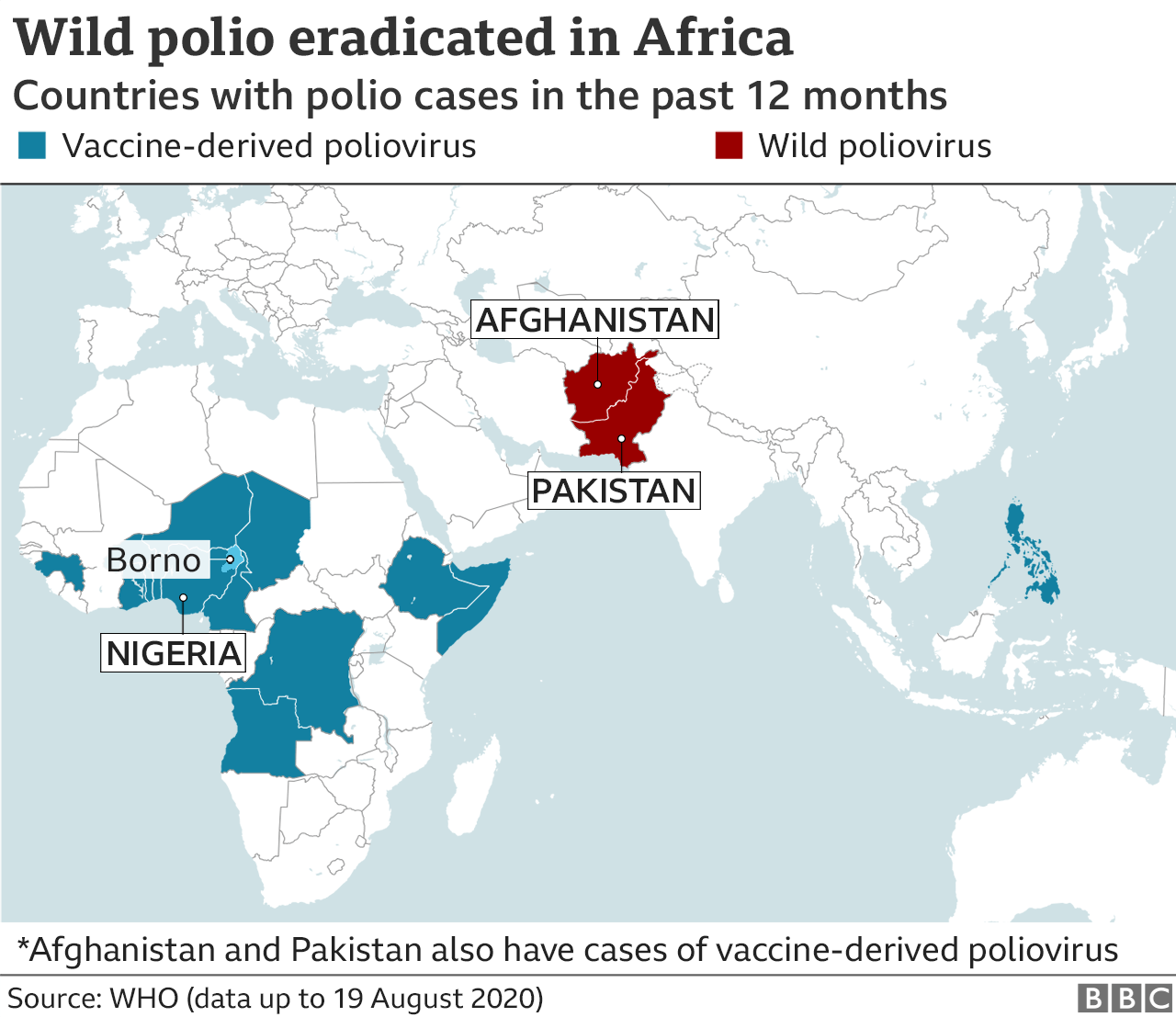
Polio, also known as poliomyelitis, is a highly infectious disease that has plagued humanity for centuries. Despite significant progress in reducing polio cases worldwide, the disease still persists in some parts of the world, particularly in areas with poor sanitation, inadequate healthcare infrastructure, and low immunization coverage. In 2025, the global health community continues to work towards the ultimate goal of polio eradication, with a focus on innovative and effective immunization strategies.
Introduction to Polio
Polio is caused by the poliovirus, which primarily affects children under the age of five. The virus is transmitted through the fecal-oral route, where the virus enters the body through the mouth and multiplies in the intestine. In severe cases, polio can cause paralysis, deformity, and even death. There are three types of poliovirus: type 1, type 2, and type 3. Type 2 poliovirus was declared eradicated in 2015, but type 1 and type 3 poliovirus continue to circulate in some parts of the world.
Current Polio Immunization Strategies
The primary tool for preventing polio is vaccination. There are two types of polio vaccines: the inactivated poliovirus vaccine (IPV) and the oral poliovirus vaccine (OPV). IPV is administered through injection and provides individual protection against polio, while OPV is administered orally and provides both individual and herd immunity. The current polio immunization strategy involves a combination of both vaccines.
- Routine Immunization: Routine immunization programs provide multiple doses of OPV and IPV to children in their first year of life. This approach has been successful in reducing polio cases in many countries.
- Supplementary Immunization Activities (SIAs): SIAs involve mass vaccination campaigns that target all children under a certain age, usually five years, in a specific geographic area. SIAs are used to boost population immunity and interrupt poliovirus transmission.
- Targeted Immunization: Targeted immunization involves vaccinating high-risk groups, such as children in areas with poor sanitation or inadequate healthcare infrastructure.
Innovative Polio Immunization Strategies 2025
To achieve the goal of polio eradication, innovative immunization strategies are being developed and implemented. Some of these strategies include:
- Fractional Dose IPV: Fractional dose IPV involves administering a reduced dose of IPV, which can help increase vaccine supply and reduce costs.
- Novel OPV: Novel OPV is a new type of OPV that is being developed to improve the vaccine’s effectiveness and safety.
- Mandatory Vaccination Laws: Mandatory vaccination laws can help increase immunization coverage and reduce the risk of polio outbreaks.
- Community-Based Immunization: Community-based immunization involves engaging local communities in immunization efforts, which can help increase vaccine acceptance and access.
- Digital Immunization Records: Digital immunization records can help track vaccination coverage and identify areas where immunization efforts need to be strengthened.
Challenges and Opportunities
Despite the progress made in reducing polio cases, there are still significant challenges to overcome. Some of the challenges include:
- Conflict and Insecurity: Conflict and insecurity can disrupt immunization efforts and create an environment conducive to poliovirus transmission.
- Vaccine Hesitancy: Vaccine hesitancy can reduce immunization coverage and increase the risk of polio outbreaks.
- Funding: Polio eradication efforts require significant funding, which can be challenging to secure and sustain.
However, there are also opportunities to be leveraged, including:
- Innovative Technologies: Innovative technologies, such as digital immunization records and novel vaccines, can help improve immunization efforts and increase vaccine effectiveness.
- Global Partnerships: Global partnerships, such as the Global Polio Eradication Initiative, can help coordinate immunization efforts and provide technical and financial support.
- Community Engagement: Community engagement can help increase vaccine acceptance and access, particularly in areas with low immunization coverage.
FAQ
- What is polio, and how is it transmitted?: Polio is a highly infectious disease caused by the poliovirus, which is transmitted through the fecal-oral route.
- What are the types of polio vaccines?: There are two types of polio vaccines: the inactivated poliovirus vaccine (IPV) and the oral poliovirus vaccine (OPV).
- What is the current polio immunization strategy?: The current polio immunization strategy involves a combination of routine immunization, supplementary immunization activities, and targeted immunization.
- What are some of the innovative polio immunization strategies being developed?: Some of the innovative polio immunization strategies being developed include fractional dose IPV, novel OPV, mandatory vaccination laws, community-based immunization, and digital immunization records.
- What are some of the challenges to polio eradication?: Some of the challenges to polio eradication include conflict and insecurity, vaccine hesitancy, and funding.
Conclusion
Polio immunization strategies 2025 offer a comprehensive approach to eradicating this debilitating disease. While significant progress has been made in reducing polio cases, there are still challenges to overcome. Innovative immunization strategies, such as fractional dose IPV and novel OPV, are being developed to improve vaccine effectiveness and increase immunization coverage. Global partnerships, community engagement, and digital technologies can help leverage opportunities and overcome challenges. Ultimately, the goal of polio eradication requires sustained commitment, coordination, and innovation. By working together, we can create a polio-free world and protect future generations from this devastating disease.
Closure
Thus, we hope this article has provided valuable insights into Polio Immunization Strategies 2025: A Comprehensive Approach to Eradication. We hope you find this article informative and beneficial. See you in our next article!
